Stage two is coming soon
19 December 2025
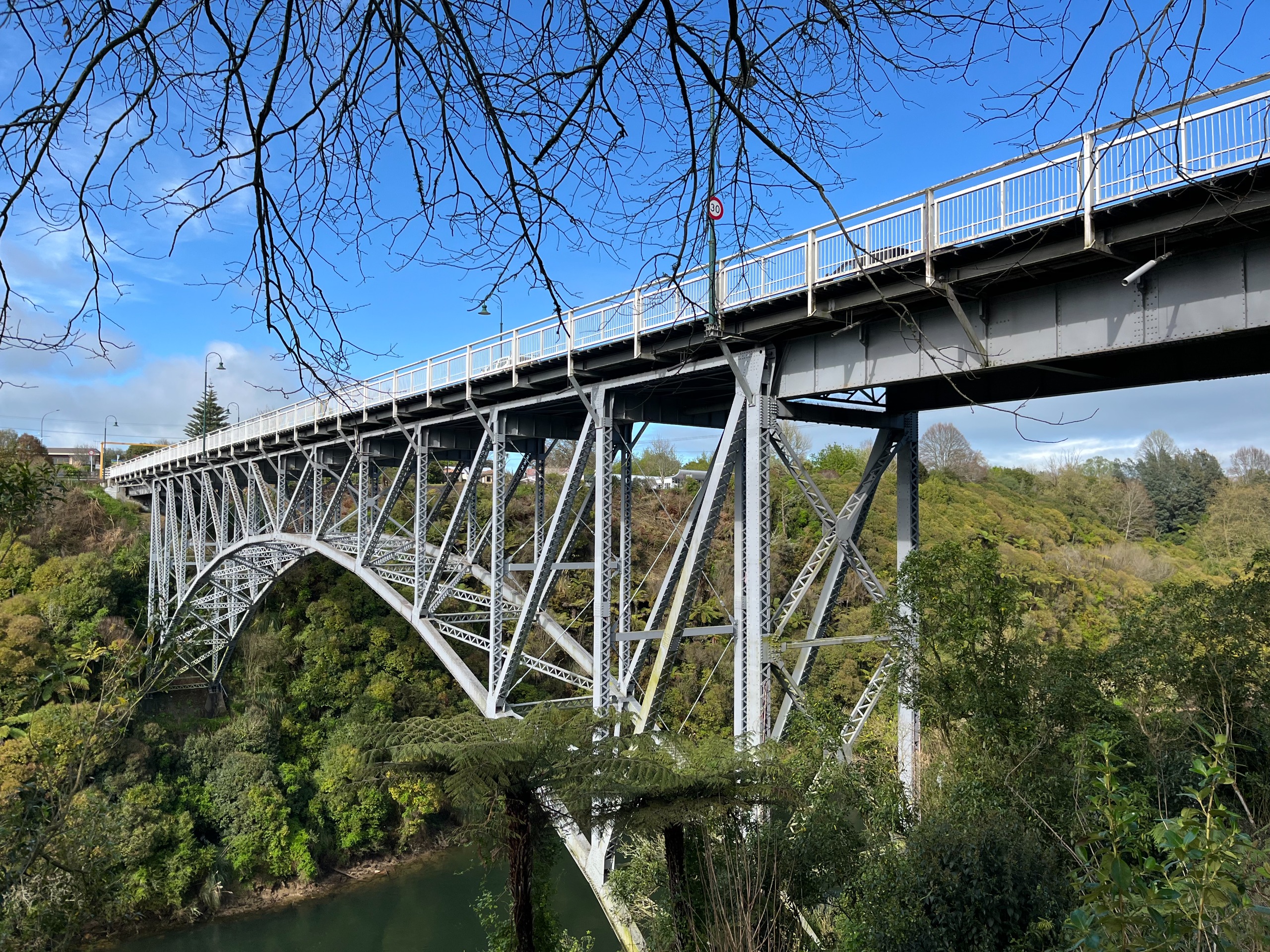
View from under Victoria (high level) Bridge. In feedback from stage one, a third bridge was the most mentioned theme.
In January we will embark on an exciting phase of Cambridge Connections - asking the community and transport experts to brainstorm transport ideas! Now that we have defined the problems, it’s time to come up with the best solutions – all ideas are welcome and valuable.
Engagement will be open from 3 February – March 9, 2026.
For early access and to get exclusive updates join the Ideas Forum
What you've said so far
In October last year, we asked you to give feedback on your biggest transport concerns and these were the top solutions you've already identified.
- a third bridge
- public transport within Cambridge
- improvements to create better traffic flow, such as roundabout redesigns, removal of excess speed bumps
- ease freight pressure through town
- connecting walking and cycling routes, especially between schools, suburbs and CBD
- maintaining town character
- planning for growth
- Leamington amenities and local access
- parking and access solutions
- environmental and future innovation
We will be building on these themes as we go back to you in February next year.
What is happening in stage two
Stage two is a long phase in the Cambridge Connections project, which will incorporate a long list of transport ideas. This then be refined into a short list of transport options.
Until April, we’ll be focusing on the first part, which is the ‘community brainstorm’ that will inform the development of a long list of transport ideas – we’re calling this stage 2A. As part of the NZTA indicative business case, we are required to document a wide variety of potential solutions for the problems identified in stage one.
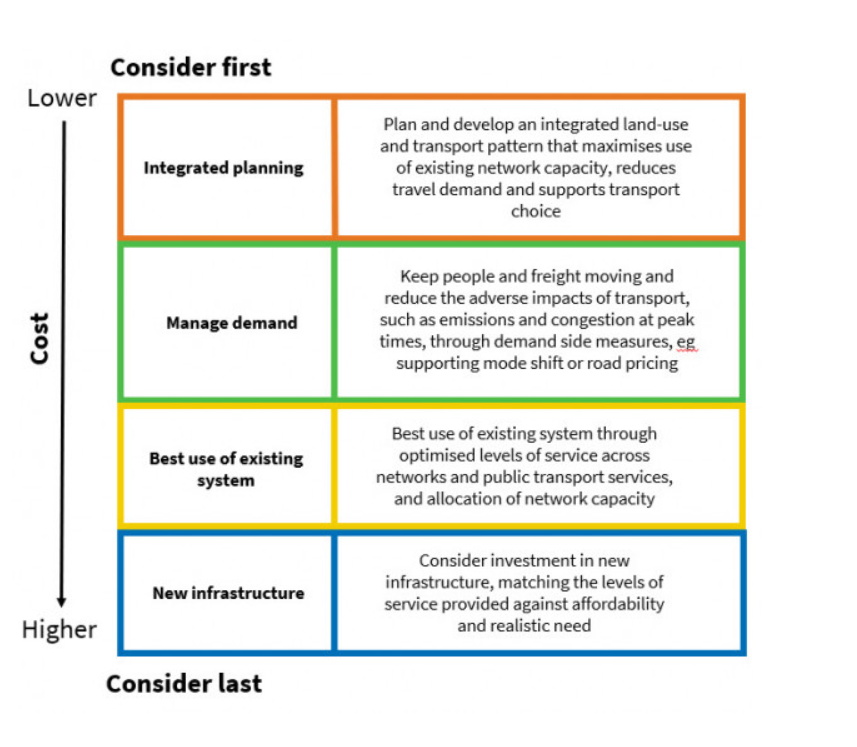
As we come up with ideas, the NZTA intervention hierarchy guides how we prioritise our transport planning, starting with the lower cost options.
- First we think about integrated planning – coordinating land use with transport to maximise use of the existing network capacity, reducing demand for transport and increasing transport choices. For example, planning new homes close to bus services, mixed-use neighbourhoods or planning of schools or community services close to residential areas to enable walking and cycling trips.
- Second we need to think about managing demand – ensuring people and freight keep moving efficiently without creating congestion or delays. This involves using measures that help manage demand such as parking efficiency, encouraging trips on public transport, walking, and cycling instead of private cars.
- Third we think about how we can best use our current transport system as efficiently as possible. It could include ideas about how we operate the current system such as with smarter technology, intersection improvements or re-prioritising road space.
- Finally, we think about new infrastructure to improve the transport system and address the deficiencies not addressed through other mechanisms. This includes ideas like new roads and an additional bridge. New infrastructure is very expensive and take decades to build – which is why it comes last in the hierarchy.